
February 2026

Sleep Study Cost Melbourne
Sleep Apnae

Sleep Study Cost Melbourne: What’s Included in the Fee?

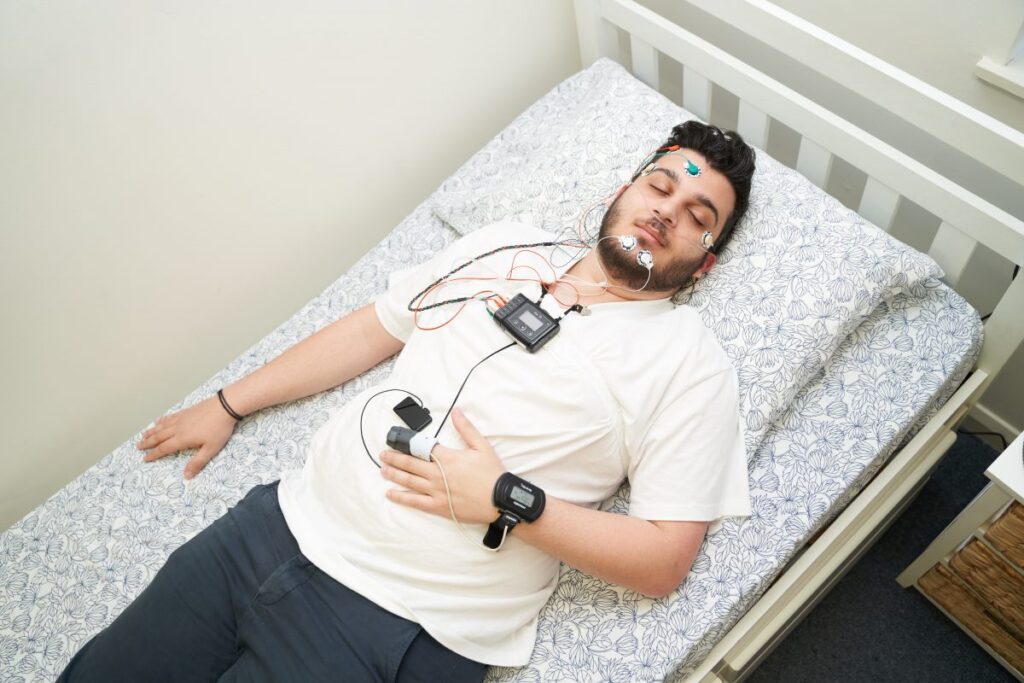
What people often want to know is simple: what exactly are they paying for, and what might still be billed separately? What is a sleep study actually measuring? A sleep study measures breathing, oxygen levels, heart rate, sleep stages, and body movements to check for disorders like obstructive sleep apnoea. Some tests also capture snoring patterns, airflow, and how often breathing partially or fully stops overnight. The scope of monitoring matters because more sensors and more detailed scoring usually means a higher fee. What are the main types of sleep studies offered in Melbourne? When comparing Sleep Study Cost Melbourne, it’s important to understand that most providers offer either an at-home sleep test or a full in-lab overnight study. At-home tests typically focus on breathing patterns and oxygen levels, while in-lab studies monitor a broader range of signals, including brain activity. Because the level of monitoring and clinical supervision differs, fees can vary significantly — even when both services are described simply as a “sleep study.” What does an at-home sleep study fee usually include? An at-home sleep study fee typically includes device hire, setup instructions, and collection or return processes. Many providers also include basic data processing and a clinical report after the device is returned. Some services also bundle a telehealth appointment to explain results, but others treat that as a separate charge. What does an in-clinic or lab sleep study fee usually include? An in-lab fee usually includes the overnight room, a technician to apply sensors and monitor the study, and a more comprehensive dataset. The cost often covers full sleep staging and a detailed interpretation. In many cases, the fee also reflects higher staffing costs and facility overheads, not just the test itself. Is the doctor’s interpretation included in the quoted price? Sometimes it is, but not always. Many providers include a report written or reviewed by a sleep physician, while others separate the testing fee from the specialist interpretation fee. They should confirm whether the quote includes a physician-reviewed report, and whether a consult to discuss the findings is bundled. Are consultations and follow-up appointments part of the package? Some clinics offer an “all-in” price that includes an initial screening and a results appointment. Others charge separately for each consult, especially if a sleep physician is involved rather than a GP-led service. If follow-up matters to them, they should ask how many appointments are included and what happens if they need ongoing care. Are CPAP trials, masks, or equipment included in the cost? Usually not. A diagnostic sleep study fee generally covers testing and reporting, not treatment devices like CPAP machines, masks, or long-term supplies. Some providers offer a CPAP trial programme after diagnosis, but it is often priced as a separate service with its own rental, fitting, and support fees. Could Medicare or private health reduce the out-of-pocket cost? In some situations, yes. Medicare rebates may apply to certain consultations or studies depending on eligibility, referrals, and the type of service provided, while private health extras or hospital cover can also change the final cost. They should check what item numbers are used, whether a referral is required, and whether the provider is a recognised facility under their health fund. What extra charges should they ask about before booking? They should ask about replacement fees for lost or damaged devices, cancellation or no-show fees, and charges for expedited reporting. It is also worth confirming whether sensor re-tests are included if the first night’s data is insufficient. A clear written quote helps avoid surprises, especially when multiple providers are involved. Other Resources : Management of obstructive sleep apnoea in primary care How can they compare Melbourne sleep study prices fairly? They should compare like-for-like: the type of study, whether the report is physician-reviewed, and what follow-up support is included. The cheapest option is not always best if it excludes interpretation, results counselling, or requires repeat testing. The most useful question to ask is: “What do they receive from start to finish for this fee, and what is billed separately?” What should they do next if they want an accurate cost estimate? They should request an itemised quote and confirm inclusions in writing before booking. If they have private health, they should also call the insurer with the provider details to check benefits and waiting periods. A short phone call can clarify whether the fee covers the study only, or the full pathway from testing to diagnosis and next-step planning. More to Read : Hobart Sleep Study Cost: What Impacts the Final Price? FAQs (Frequently Asked Questions) What factors influence the cost of sleep studies in Melbourne? Sleep study costs in Melbourne vary depending on the type of test, equipment used, who interprets the results, and the follow-up support included. More complex studies with detailed monitoring and physician-reviewed reports typically cost more. What types of sleep studies are commonly available in Melbourne? Melbourne providers generally offer two main types of sleep studies: at-home sleep tests focusing on breathing and oxygen levels, and in-lab overnight studies that monitor a wider range of signals including brain activity. The complexity and fees differ between these options. What is usually included in the fee for an at-home sleep study? An at-home sleep study fee typically covers device hire, setup instructions, collection or return of equipment, basic data processing, and a clinical report after device return. Some providers also include a telehealth appointment to explain results, though this may be charged separately. Does the quoted price for a sleep study always include a doctor’s interpretation? Not always. While many providers include a report written or reviewed by a sleep physician within the fee, others separate the testing cost from specialist interpretation fees. It’s important to confirm if the quote includes a physician-reviewed report and whether consultations to discuss findings are bundled. Are consultations and follow-up appointments included in sleep study packages? Some clinics offer an all-inclusive price covering initial screening and results appointments. Others charge separately for each consultation, especially

sleep study hobart
Sleep Health

Hobart Sleep Study Cost: What Impacts the Final Price?

For anyone comparing options, the most useful approach is to understand the cost drivers first, then ask providers for an itemised quote. That is where the real differences usually emerge. What types of sleep studies are available in Hobart? In Hobart, a sleep study Hobart typically falls into three categories: in-lab polysomnography, home sleep tests, and limited monitoring tests. In-lab studies are usually the most comprehensive and often the most costly. A full in-lab polysomnography records brain activity, breathing, oxygen levels, heart rhythm, limb movements, and more. Home sleep tests are generally focused on diagnosing suspected obstructive sleep apnoea and monitor fewer signals, which is why they are usually less expensive. Why does an in-lab sleep study usually cost more? In-lab studies cost more because they include overnight staffing, specialised equipment, and a controlled clinical environment. They also generate more data, which increases scoring and reporting time. Someone is typically monitored throughout the night, which adds labour costs. Clinics also have higher overheads due to rooms, compliance requirements, and the need to maintain calibrated equipment that meets clinical standards. How much does a home sleep test change the price? A home sleep test can lower the overall price because it removes the overnight facility and staffing component. Many providers can issue the device, provide instructions, and have the patient sleep in their own bed. The trade-off is that home tests may be less suitable for complex sleep problems. If symptoms suggest conditions beyond straightforward obstructive sleep apnoea, a clinician may recommend an in-lab study, which can increase total costs if a home test is done first. Does Medicare reduce the cost of a sleep study in Hobart? Medicare may reduce out-of-pocket costs when the sleep study is clinically indicated and arranged in a way that meets Medicare requirements. The exact reduction depends on eligibility, the item number used, and whether the provider bulk bills or charges a gap. In practice, people often find that specialist consultations and study components may each have separate fees. It is usually worth confirming whether the quote includes the referring consultation, the test, interpretation, and the follow-up appointment. How does private health insurance affect the final price? Private health insurance may cover part of the cost, especially for hospital-based or in-lab studies, depending on the person’s level of cover and waiting periods. However, policies vary widely, and exclusions are common. They should confirm whether the sleep lab is considered an approved facility, whether the admission is billed as inpatient or outpatient, and whether there are excesses or co-payments. It also helps to ask whether the anaesthetics and theatre style questions are irrelevant here, since sleep studies are often billed differently. What role does the referring clinician play in the cost? The referring pathway can shape the total spend because it affects which providers are involved and how many appointments happen. Some people are referred by a GP to a respiratory and sleep physician, while others go through ENT or a sleep clinic directly. The cost may increase when multiple consultations are required before testing is approved or when additional investigations are requested. Conversely, a clear referral with strong clinical notes can reduce delays and minimise duplicate appointments. Why do consultation and reporting fees sometimes appear separately? Many providers charge separately for the sleep study itself and for interpretation, scoring, and the final report. That can make two prices look similar at first glance but very different once the full pathway is included. They should check whether the quote includes manual scoring by a qualified scientist, a physician review, and a written report suitable for treatment decisions. A cheaper headline figure may exclude the parts that actually make the results actionable. Check out more about Sleep Study Cost Melbourne: What’s Included in the Fee? Can the suspected sleep condition change the total cost? Yes, the suspected diagnosis can change both the type of test and the amount of analysis required. Simple suspected obstructive sleep apnoea may be suitable for a home test, while suspected narcolepsy, parasomnias, central sleep apnoea, or nocturnal seizures often require in-lab testing. Some conditions also require multiple nights or additional daytime testing. If a Multiple Sleep Latency Test is recommended, for example, costs can rise because it adds supervised daytime monitoring and extra clinician time. How do equipment, add-ons, and technology affect pricing? Technology choices can affect pricing because more channels and better sensors generally increase acquisition and analysis time. Some labs also offer add-ons such as CO₂ monitoring, expanded EEG channels, or video monitoring. Auto-titration, CPAP trial nights, or split-night studies can also change cost because they add treatment calibration on the same night. They should ask whether the quote covers consumables, device hire, and any repeat study policy if the data is inadequate. Do waiting times and urgency ever influence the price? Urgent appointments can sometimes cost more, especially in private pathways where short-notice slots or priority reporting are offered. While not every provider does this, it is not uncommon to see fees rise when faster turnaround is guaranteed. Longer waiting times, on the other hand, can lead to indirect costs, such as lost productivity or additional GP visits while symptoms worsen. If budget is tight, a realistic timeline should be weighed alongside the price. What questions should they ask to avoid surprise costs? They should ask for a written, itemised quote that includes every step from first consult to follow-up. This is the simplest way to compare providers fairly. Useful questions include: What type of study is being proposed and why? What is included in the price? Are there separate fees for scoring, interpretation, and follow-up? Is Medicare applicable and is there a gap? If private health is used, what item numbers and billing type apply? What happens if the study needs to be repeated? What is the simplest way to keep the overall cost down? The most reliable way to control costs is to follow a clear pathway with minimal duplication. That usually means ensuring symptoms and

Scroll to Top