
The landscape of sleep medicine is shifting rapidly, and for the millions of Australians living with obstructive sleep apnea (OSA), 2026 marks a major turning point in therapy comfort. The Future of Sleep: Reviewing the Inogen Aurora and Other 2026 Mask Innovations reveals how industry leaders are finally solving the “compliance gap” by prioritizing soft-touch materials and whisper-quiet acoustics.
Whether you are a long-term CPAP user or newly diagnosed, understanding these 2026 advancements is essential for achieving restorative sleep. This guide explores the entry of respiratory giant Inogen into the mask market and how their new Aurora series compares to the latest offerings from ResMed and Fisher & Paykel.
See more: Sleep Study Cost Melbourne: What’s Included in the Fee?
What is the Inogen Aurora Mask Series?
The Inogen Aurora is a premium line of CPAP masks launched in early 2026, marking Inogen’s strategic expansion from oxygen therapy into the sleep apnea market. Known globally for their portable oxygen concentrators, Inogen has applied its expertise in “patient-centric mobility” to create a mask system that emphasizes lightweight durability and a superior seal.
The Aurora portfolio consists of three primary configurations:
- Aurora F1: A full-face mask for mouth breathers.
- Aurora N1: A nasal cushion mask for a balanced seal.
- Aurora P1: Minimalist nasal pillows for maximum field of vision.
Why 2026 Innovations Matter for Australians
In Australia, where the climate ranges from the humid tropics of Queensland to the dry heat of the Red Centre, mask comfort is often dictated by skin-seal integrity. The 2026 innovations focus on medical-grade rebound silicone and ultrasonic edge sealing, technologies designed to prevent the “sweat-and-slide” effect common with older PVC-based masks.
How the Inogen Aurora Redefines CPAP Comfort
The Inogen Aurora isn’t just another mask; it is a response to years of patient feedback regarding skin irritation and noise. By reviewing the Inogen Aurora and other 2026 mask innovations, we see a clear trend toward “disappearing” hardware—gear so light you forget it’s there.
1. Triple-Material Headgear Technology
The Aurora series utilizes a proprietary triple-material headgear. Unlike standard elastic straps that stretch out within weeks, this design uses ultrasonic welding to bond layers. This results in a strap that maintains its tension without needing to be overtightened, reducing the risk of “CPAP face” (pressure marks) in the morning.
2. The Honeycomb Quiet-Vent System
One of the most significant 2026 innovations is the move toward honeycomb CO2 diffusion. The Aurora masks feature a micro-hole vent pattern that breaks up exhaled air into tiny streams. This eliminates the “jet engine” draft that often disturbs bed partners, making it one of the quietest masks on the Australian market.
2026 Mask Innovations: Beyond the Inogen Aurora
While Inogen is making waves, other manufacturers have also stepped up their game for 2026. The competition is driving a “comfort war” that benefits the end-user.
| Feature | Inogen Aurora Series | ResMed AirFit (2026 Models) | F&P Solo/Evora Series |
| Cushion Tech | Rebound Silicone | AirTouch Memory Foam | Dynamic Support Seal |
| Connection | Universal Swivel | Magnetic Quick-Release | Auto-Fit Elastic |
| Primary Focus | Durability & Stability | Skin Sensitivity | Active Sleepers |
| Acoustics | Honeycomb Diffusion | QuietAir Diffuser | VisiBlue Stability |
The Rise of Memory Foam and Hybrid Seals
For Australians with sensitive skin, the ResMed AirTouch F20 remains a strong competitor to the Aurora, utilizing UltraSoft memory foam. However, the Aurora’s rebound silicone offers a middle ground: it provides a more robust seal for high-pressure users while remaining more hygienic and easier to clean than foam.
Benefits of Upgrading to 2026 Sleep Technology
Upgrading to the latest 2026 mask technology provides more than just a better fit; it directly impacts your long-term health outcomes.
- Improved Adherence: When a mask doesn’t leak or hurt, you are more likely to wear it all night.
- Reduced Skin Breakdown: 2026 materials are hypoallergenic and designed to “breathe,” reducing the incidence of contact dermatitis.
- Active Sleeper Support: New “tube-up” designs and 360-degree swivels allow side sleepers and “stomach sleepers” to move freely without breaking the seal.
- Lower Noise Floor: Modern masks operate at decibel levels lower than a whisper, ensuring both you and your partner stay in deep sleep stages longer.
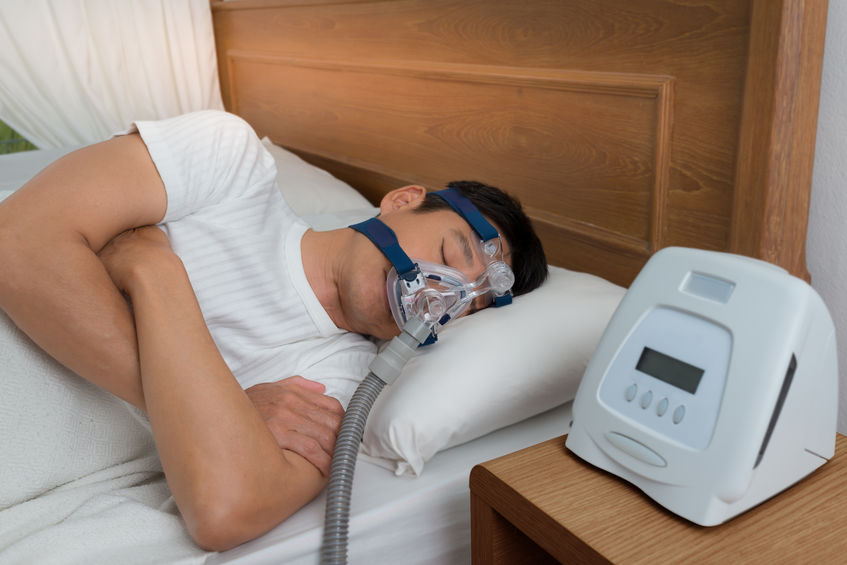
How to Choose the Right 2026 Mask for Your Sleeping Style
Finding the perfect fit in the “Future of Sleep” requires matching the mask geometry to your natural movement.
The Side Sleeper Framework
If you sleep on your side, look for masks with low-profile frames. The Inogen Aurora P1 (Nasal Pillows) is ideal here because it lacks a bulky forehead support, preventing the pillow from “shoving” the mask off-centre when you turn.
The High-Pressure User Framework
Users requiring a pressure setting above $15 cmH_2O$ often struggle with leaks. The Inogen Aurora F1 (Full Face) uses a reinforced bridge design that prevents the silicone from “ballooning” under high pressure, maintaining a consistent seal throughout the night.
Best Practices for Maintaining 2026 Mask Hardware
To get the most out of your 2026 mask, follow these professional maintenance tips:
- Daily Wipe-Downs: Use alcohol-free wipes every morning to remove facial oils. Oils are the #1 cause of silicone degradation.
- Weekly Deep Clean: Disassemble the Aurora mask and soak components in warm, soapy water (pH-neutral).
- The 6-Month Rule: Even the best 2026 headgear loses its “memory” over time. Replace your headgear every six months to ensure therapy remains effective.
- Check the Vent: Ensure the honeycomb holes are clear of dust or mineral buildup from humidifiers to maintain proper $CO_2$ clearance.
Common Mistakes to Avoid with New CPAP Masks
- Overtightening: Many users tighten the straps to stop a leak, which actually causes the cushion to collapse and leak more. Trust the rebound silicone to do the work.
- Using the Wrong Size: Most Australian clinics offer “Fit Packs” for the Aurora and ResMed series. Don’t guess—use the sizing gauge provided by the manufacturer.
- Ignoring Redness: If you wake up with a sore bridge of the nose, your mask is either too small or the tension is uneven.
Frequently Asked Questions (FAQ)
1. Is the Inogen Aurora compatible with my old CPAP machine?
Yes. The Inogen Aurora series uses a standard 22mm connection, making it compatible with ResMed AirSense, Philips DreamStation, and Fisher & Paykel machines.
2. Where can I buy the Inogen Aurora in Australia?
The Aurora series is available through certified sleep clinics and specialist CPAP retailers across Australia, including major providers in Sydney, Melbourne, and Brisbane.
3. How does the Aurora F1 compare to a traditional full-face mask?
The Aurora F1 is significantly lighter and uses “ultrasonic sealing” on the headgear edges, which prevents the fraying and “scratchy” feeling common in older, stitched headgear.
4. Is the honeycomb vent better than a standard exhalation port?
Generally, yes. It diffuses air in a wider, softer pattern, which reduces noise and prevents a concentrated “jet” of air from hitting your bedding or partner.
5. Can I use the Inogen Aurora with a travel CPAP?
Absolutely. Its lightweight design makes it a favorite for 2026 travelers, though you should check if your travel machine requires a specific proprietary adapter for the tubing.
Conclusion: Embracing the New Standard of Sleep
The introduction of the Inogen Aurora signals a new era where “comfort” is no longer a luxury—it is a functional requirement. By reviewing the Inogen Aurora and other 2026 mask innovations, it is clear that the industry has moved toward smarter materials, quieter environments, and more inclusive designs for every face shape.
If your current mask is more than a year old, you are likely missing out on these significant leaps in silicone technology and headgear stability. Upgrading your equipment is the fastest way to turn “struggling with CPAP” into “sleeping with ease.”
Would you like me to create a customized “Mask Comparison Checklist” to help you decide between the Inogen Aurora and other 2026 models?
Internal Linking Suggestions:
- Anchor Text: “Common CPAP side effects in Australia”
- Anchor Text: “Top-rated CPAP machines for 2026”
- Anchor Text: “How to clean your CPAP mask effectively”
External Reference Suggestions:
- Sleep Health Foundation (Australia)
- American Academy of Sleep Medicine (AASM) Technology Reviews