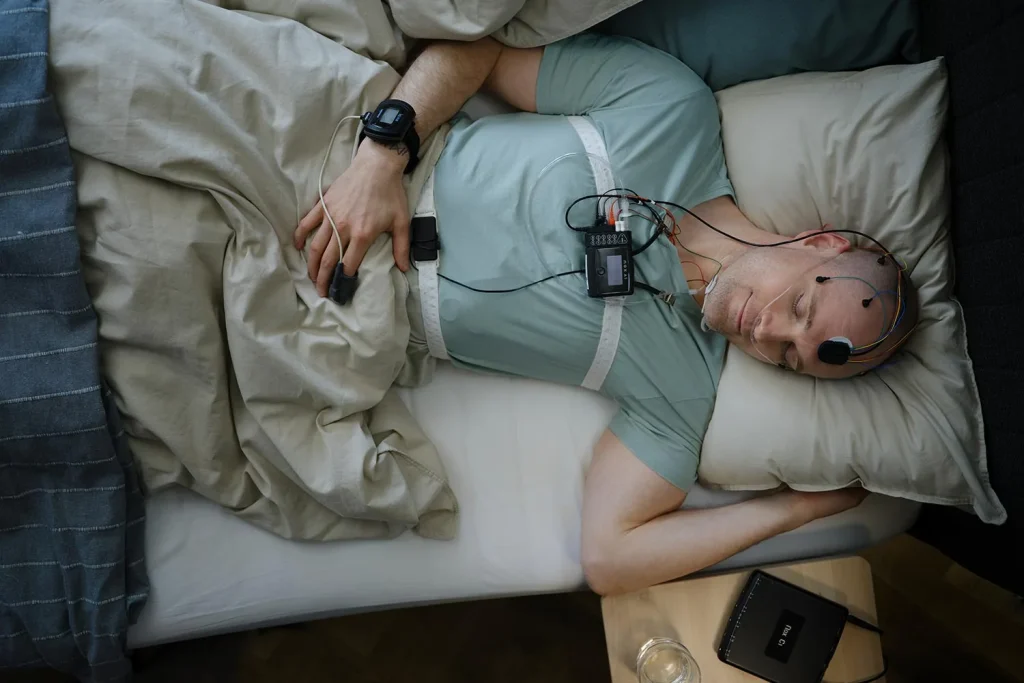
Bulk Bill Sleep Study Rules Most GPs Never Explain
Snoring, daytime fatigue, morning headaches, and brain fog are often brushed off as “stress” or “getting older”. In reality, they can point to sleep apnoea or another sleep disorder that deserves proper testing. The tricky part is that many patients never hear the practical details that decide whether testing is affordable. This guide breaks down the Bulk Bill Sleep Study Rules most GPs never explain, in plain language, so patients can ask better questions and avoid surprise costs. What do patients actually mean when they ask about Bulk Bill Sleep Study Rules? They usually mean one thing: will the test cost £0 out of pocket. The answer depends on eligibility, the test type, and how the referral is written. Bulk Bill Sleep Study Rules can differ between providers and locations, even when Medicare is involved. Patients often assume “bulk billed” is automatic once a GP mentions a sleep study, but most providers have specific criteria that must be met first. Who qualifies for a bulk billed sleep study in Australia? Eligibility is typically linked to clinical need and Medicare item requirements. Patients are more likely to qualify when symptoms strongly suggest obstructive sleep apnoea and the referral documents those symptoms clearly. Bulk Bill Sleep Study Rules commonly rely on factors like loud snoring, witnessed apnoeas, daytime sleepiness, safety risks (such as driving), and relevant comorbidities. If the GP note is vague, patients can be assessed as “low priority” and offered a paid pathway instead. Why does the wording on the GP referral matter so much? Because the referral is often used to justify medical necessity and determine the correct testing pathway. If a referral simply says “snoring”, it may not support the test type the patient expects. Bulk Bill Sleep Study Rules are easier to meet when the referral includes a short symptom summary. For example: excessive daytime sleepiness, witnessed breathing pauses, unrefreshing sleep, hypertension, and an Epworth Sleepiness Scale score if the clinic uses it. Which sleep study type is more likely to be bulk billed: home or in-lab? Home sleep apnoea testing is more commonly offered as bulk billed because it is lower cost and easier to deliver at scale. In-lab polysomnography is more comprehensive, but often has stricter criteria and longer waiting lists. Bulk Bill Sleep Study Rules can make in-lab testing harder to access at £0 unless the case is complex. Patients with significant heart or lung disease, suspected central sleep apnoea, neuromuscular conditions, or inconclusive home results may be directed to lab studies. What hidden costs catch patients out, even when the test is called “bulk billed”? The test itself can be £0, but follow-up and equipment may not be. Some clinics bulk bill the diagnostic study, then charge for specialist review, report fees, or expedited appointments. Bulk Bill Sleep Study Rules rarely cover everything end-to-end. If the result confirms sleep apnoea, patients may still face costs for CPAP trials, mask fittings, device hire, or ongoing reviews depending on the provider’s model and inclusions. Do patients need a specialist, or can a GP organise everything? A GP can start the process with a referral to a sleep clinic or respiratory physician, depending on the pathway. Some services accept GP referrals directly for home testing, while others require a specialist consultation first. Bulk Bill Sleep Study Rules can be easier to navigate when there is a clear pathway from referral to results to treatment. Patients who are unsure can ask the clinic: “Is a specialist appointment required before testing, and is that appointment bulk billed?” How long do patients usually wait for a bulk billed sleep study? Wait times vary by region, provider capacity, and whether the request is marked urgent. Bulk billed pathways can involve longer queues because they prioritise higher-risk patients. Bulk Bill Sleep Study Rules often sit alongside triage rules. If a patient’s work involves driving, operating machinery, or safety-sensitive roles, documenting that risk can change the priority level and speed up access. What results actually qualify someone for treatment support? A diagnosis alone does not automatically translate into subsidised treatment. Treatment planning usually depends on severity and symptoms, not just a single number. Bulk Bill Sleep Study Rules focus on testing, but patients should also ask what happens next. If CPAP is recommended, they can request a written treatment plan, options for purchase versus hire, and a clear breakdown of likely costs. What should patients ask before they accept a booking? They should ask direct questions that force clear answers about money and timing. A quick phone call can prevent weeks of delay or unexpected bills. Here are practical questions patients can use: Bulk Bill Sleep Study Rules are easiest to follow when patients confirm the whole pathway before they commit. How does a clinic’s diagnostic capability change the outcome? Better diagnostics reduce repeat testing and missed diagnoses. Clinics that can coordinate referral, testing, and follow-up tend to deliver faster answers and clearer next steps. PrimeCare Cebu is an example of the kind of clinic model patients often look for: patient-centred care, ethical service, and a focus on early diagnosis and prevention. While Australia’s Medicare settings differ, the principle is the same: patients do better when clinicians explain the process, expected costs, and treatment options clearly. Bulk Bill Sleep Study Rules may be specific, but compassionate guidance is universal. What are the most common myths patients hear about bulk billed sleep studies? The biggest myth is that “bulk billed” means “free, no matter what”. Another is that everyone with snoring qualifies immediately for a fully subsidised pathway. Bulk Bill Sleep Study Rules do not work like a blanket coupon. They work like a set of gates. Patients move through those gates based on symptoms, referral quality, test type, and provider policy. How can patients improve their chance of getting the right test the first time? They can prepare a short, accurate symptom summary for the GP. That helps the GP write a stronger referral and helps the sleep clinic triage correctly.